Chime

2025

Interaction Design

Sound Design

Project Information:

3 weeks, Exploring sound, interaction, nature and form.

Recognised as Student Runner-Up in the Speculative Design category at the
2025 Core77 Design Awards.

Team:
Sharvin Sawant
Sander Randoja
Henning Birgersson
Samuel Nagel

Connecting to Nature through Data Sonification

Chime is a conceptual sound experience consisting
of a set of near-future artifacts that enable people to connect with nature through data sonification.

By touching soil, water, plants, and fungi with sensor-equipped fingers, environmental data is sensed and translated into sound through a recording device. The resulting sound can be recorded onto a disc, preserving a tangible memory of the interaction with nature.

1. Wander


Wander into nature with your device

2. Sense


Listen to the data of your surroundings

3. Collect


Preserve the moments that resonate

with you on the memory disc

4. Reminisce


Revisit your past journeys through

their captured soundscapes

The Collector

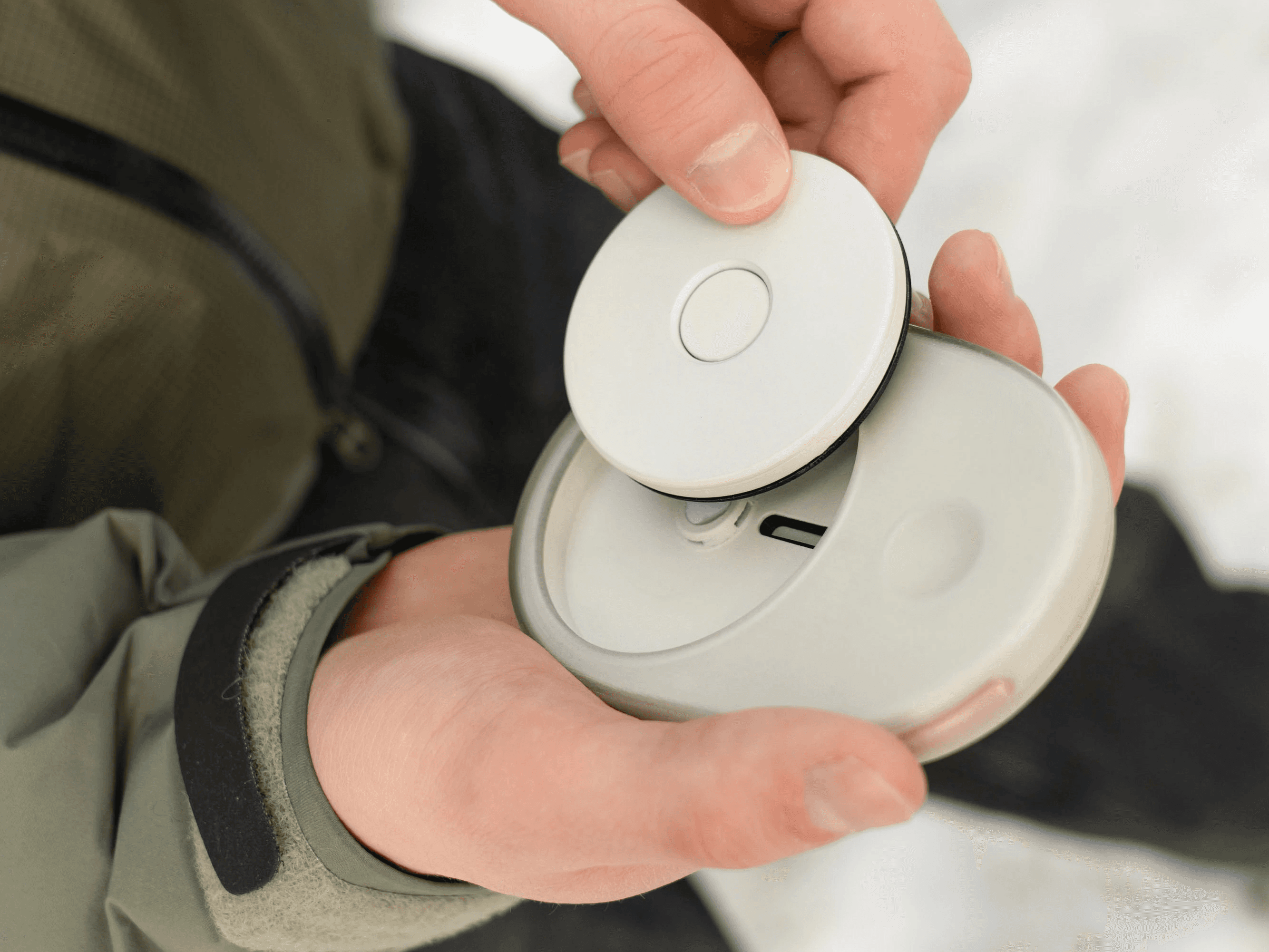
The Collector is a handheld recording device that converts extracted data into live sound. Holding the record button stores the sensed sound onto the disc in real time. A minimal light interface indicates the type of data being recorded and the remaining storage capacity.

The Sensors

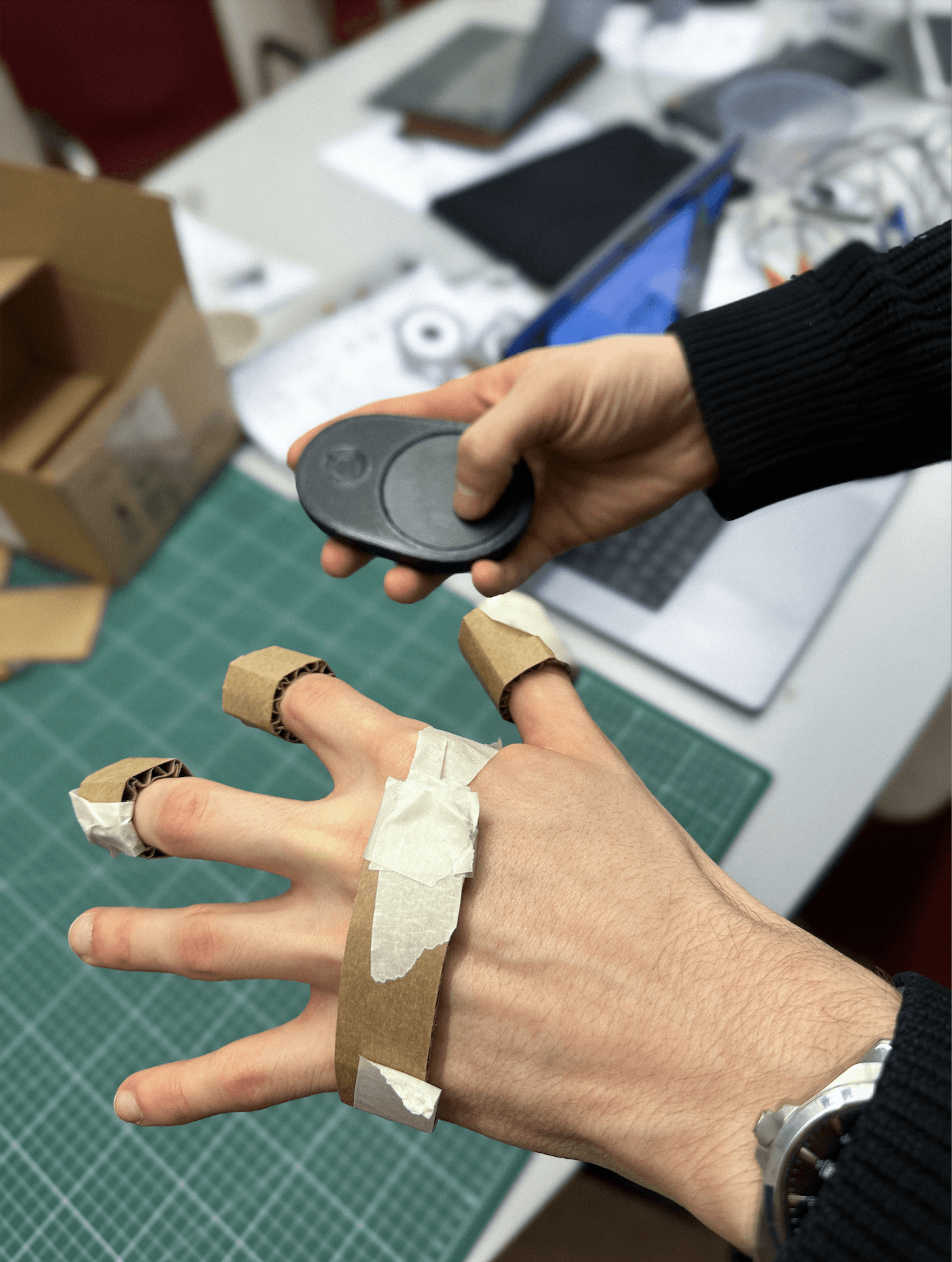
Sensors worn on your fingers capture data such as pH, bioelectrical signals, and moisture levels from whatever natural element you touch: soil, water, plants, fungi. This data is transmitted to the Collector in real time.

The Composer

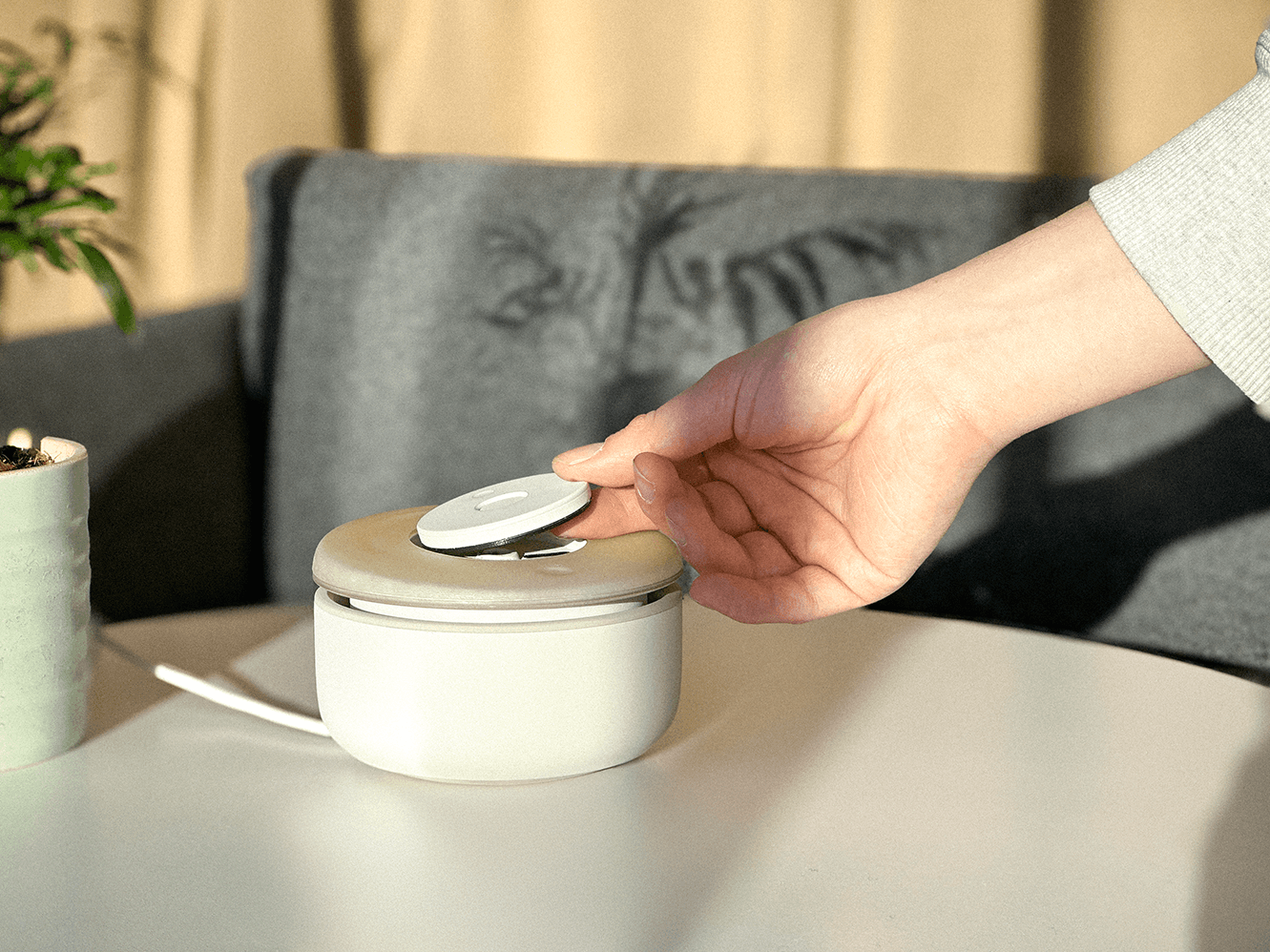
Later at home, you can relive their journey through the Composer, a playback device that weaves the collected sounds into an ambient soundscape.

Memory


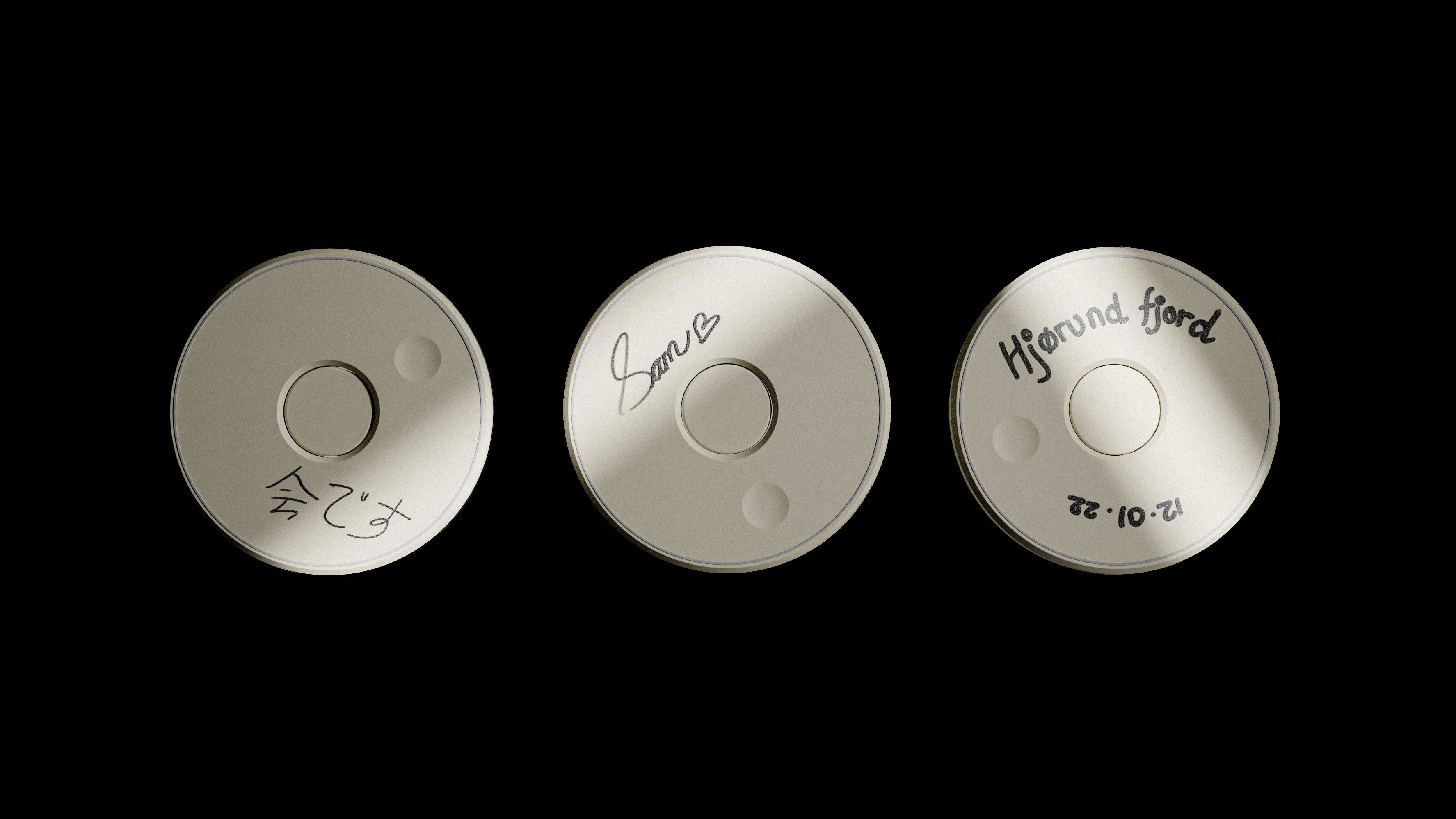
Like a Polaroid, physical discs give each recording a fixed, finite form. The limited storage encourages you to choose your sounds carefully. resulting in a thoughtful collection that reflects your personal journey through nature.

Chime Interface

Data-to-Sound Translation


Due to the ambiguity of the sonified data, it is not explicitly indicated whether the data is “good” or “bad.” Instead, you must actively listen, compare sounds, and draw your own conclusions, fostering a deeper, more intuitive understanding of your environment. A thriving plant produces more sound than a wilting one due to stronger bioelectrical signals.

Reflections

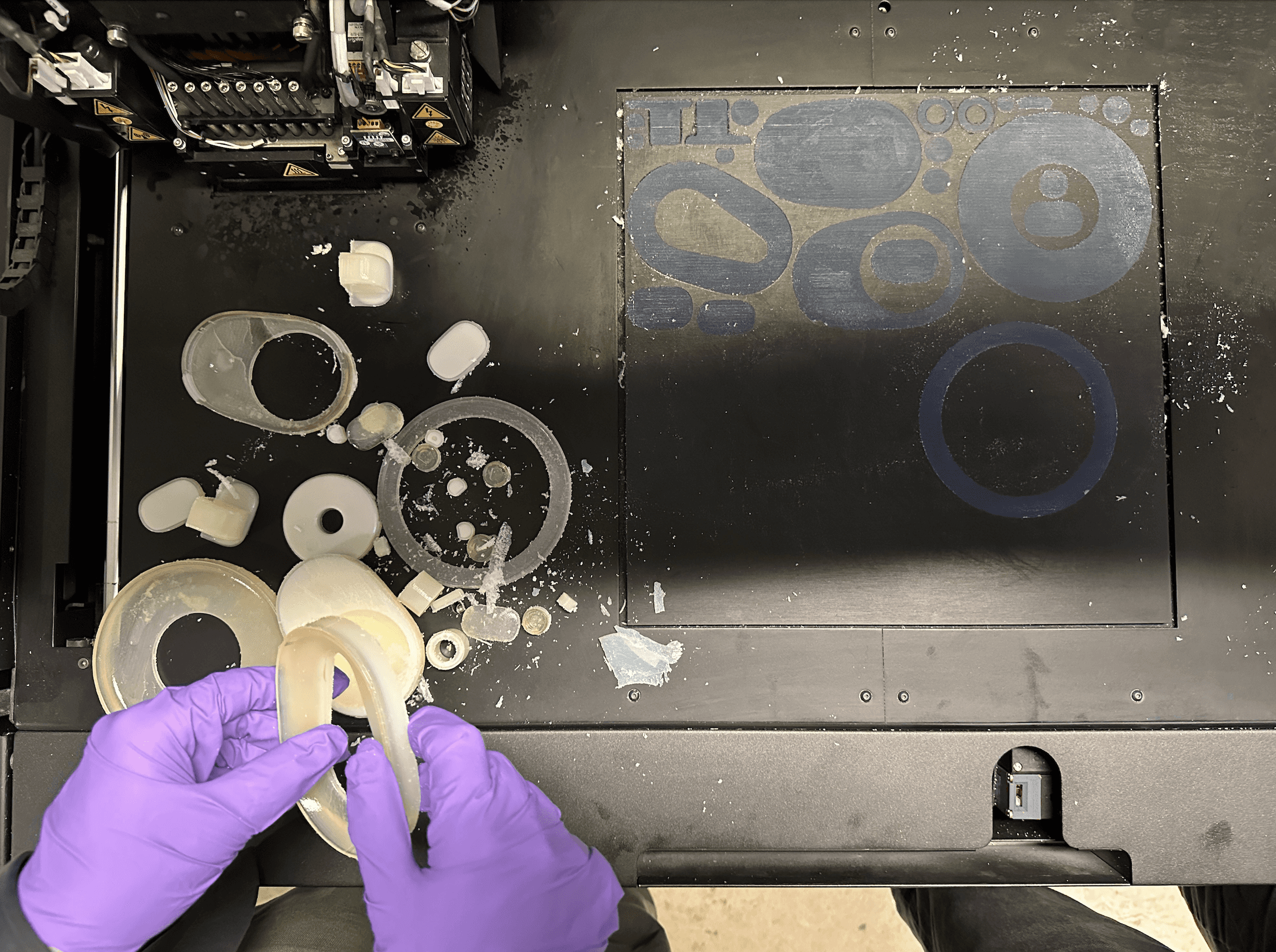
Three weeks is a tight window, and the group carried most of it. I came in with a visual design background and learned a lot about the physical product design process: sanding 3D prints, mixing paint, picking up terms like CMF.


I learned Vital and Ableton from scratch. None of us had a musical background, and I was surprised by how much you can shape with very little. Sound has stayed with me as something I want to keep exploring in my work.


The harder question was whether the premise held up at all. Technology in nature can deepen the connection or quietly replace it. We chose to sit with that contradiction rather than resolve it, and framed the project speculatively as a result.

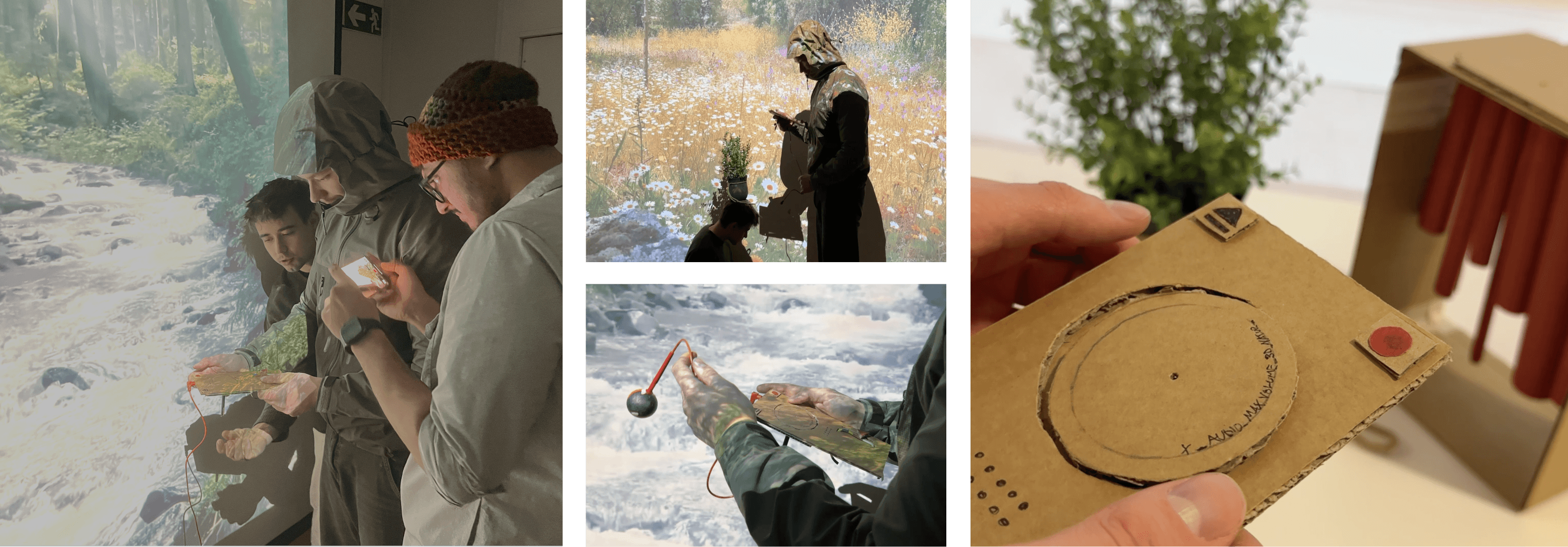
Experience Prototyping

Working on the mobile view,

please have a look on desktop